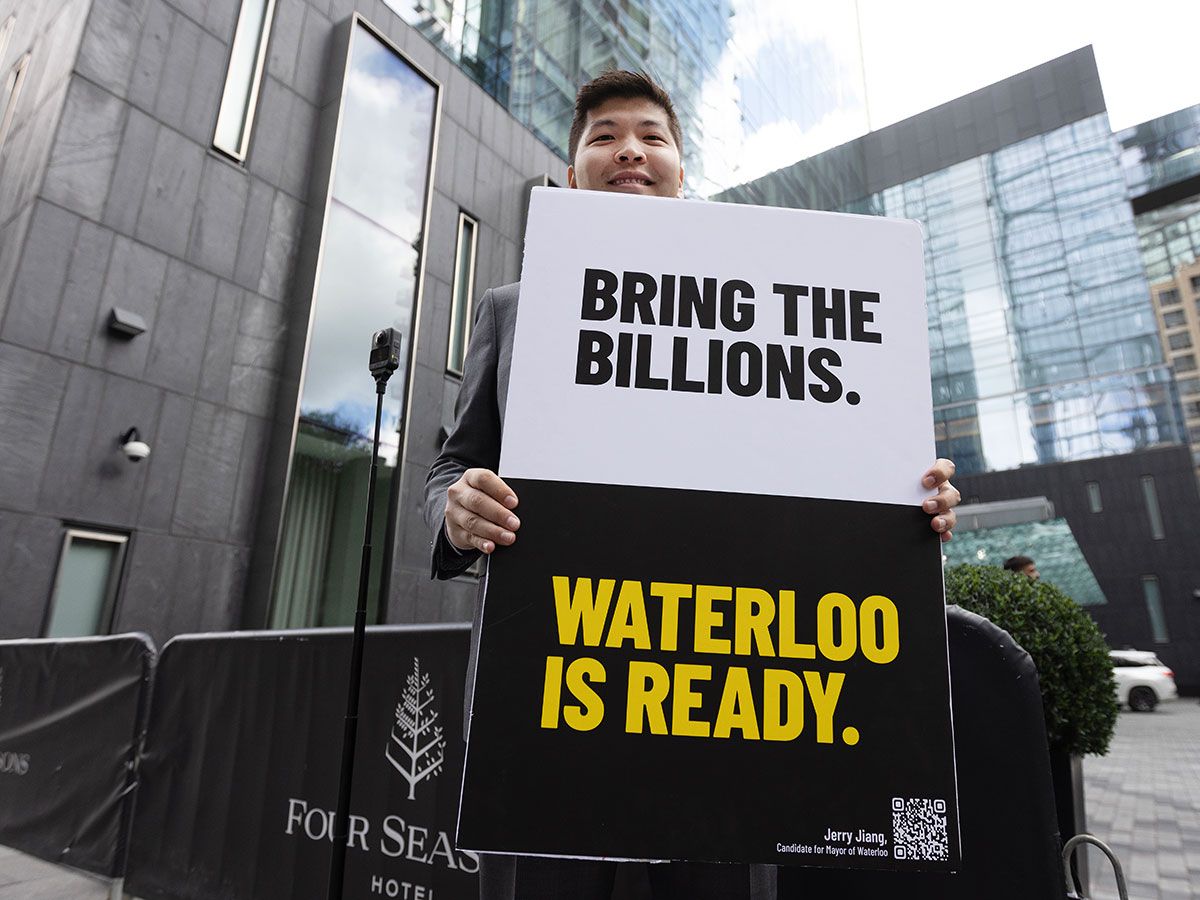
Prime Minister Mark Carney's Canada Investment Summit officially commenced in Toronto, bringing together global investors, Canadian executives, and public-sector representatives as major financial institutions step forward with multi-billion-dollar commitments to accelerate economic growth.
Major Investment Commitments
Ahead of and during the summit, Canada's largest lenders and pension funds pledged hundreds of billions of dollars in capital deployment and financing to support sectors deemed critical for the future of the Canadian economy. Among the major participants, the Toronto-Dominion Bank announced a substantial $150-billion commitment focused on key areas including energy, critical minerals, defence, artificial intelligence, and infrastructure. TD estimated that new investments worth $1 trillion across more than 300 projects in these sectors have either already been approved or are currently on the table.
At the same time, the Bank of Nova Scotia joined other lenders in promising significant capital deployment, launching the Scotia Growth Institute to examine how Canada can accelerate economic strengths into lasting prosperity. Scotiabank Chief Executive Scott Thomson noted that the institute will help address the challenges and opportunities shaping the future of businesses and the broader economy.
Canada-U.S. Trade Relations
The investment summit comes against the backdrop of shifting global trade dynamics and ongoing diplomatic engagements. Prime Minister Carney used the occasion to address Canada's bilateral relationship with the United States, following recent remarks from U.S. President Donald Trump indicating that a trade agreement could potentially be reached soon if outstanding agricultural tariff issues are resolved.
Carney welcomed the overture from Washington while emphasizing Canada's clear bottom lines and red lines, which include sovereignty protection, cultural safeguards, and the unrestricted right to sign trade agreements with other countries. Acknowledging historical ties and periodic tensions between Ottawa and Washington, Carney expressed confidence in continued professional engagement.
“We’ll sit down when it makes sense,” Carney said. “Canada and the U.S. have a very long relationship. We sometimes go through periods where there are tensions in that relationship. Provided we continue this approach, we’ll come to some agreement at some point.”
Carney further noted that Ottawa and Washington can reach a mutually advantageous trade agreement that respects the sovereignty of both nations, emphasizing that recent negotiation developments helped clarify Canada's red lines.
Next Steps in Europe
Following the events in Toronto, Carney is scheduled to travel immediately to France to deepen trade and diplomatic ties with the European Union, including delivering a speech at the European Parliament and attending European Commission President Ursula von der Leyen's State of the Union address.