The economic fallout of the 2026 conflict involving the United States, Israel, and Iran continues to reverberate across the global economy, altering international trade routes and domestic consumer costs. While the immediate consequences have driven up energy expenses and shipping surcharges, analysts note that the conflict has permanently transformed how the world manages vital energy supplies and market demand.
The military campaign began on February 28, 2026, when U.S. and Israeli forces launched joint strikes on Iran, numbering nearly 900 in the first 12 hours of the operation. The initial wave of strikes targeted Iranian missiles, air defenses, military infrastructure, and leadership, resulting in the death of Supreme Leader Ali Khamenei and dozens of other officials. In response, Iran launched retaliatory missile and drone strikes targeting U.S. embassies, military installations, and oil infrastructure throughout the Middle East, including commercial vessels in the Strait of Hormuz.
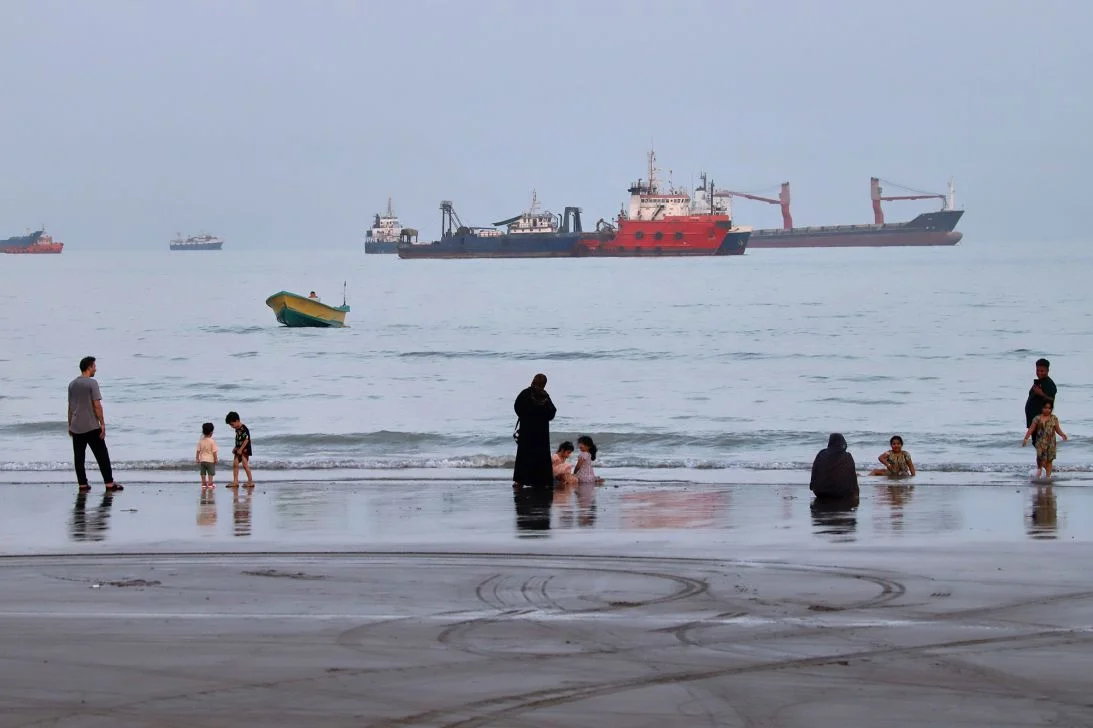
The conflict severely disrupted global travel and trade, halted flights in and out of the Middle East, and forced widespread shipping reroutes to avoid the Strait of Hormuz and the Red Sea. Before the hostilities, ships under any country's flag could freely transit the narrow passage, through which a fifth of the world's oil traveled daily. Following the February attacks, Iran declared the strait its own to control and targeted vessels attempting to enter or exit the Persian Gulf, effectively closing off 13 million barrels of oil supply to the global economy.
In May 2026, Iran shifted its tactic from closure to regulation, establishing the Persian Gulf Strait Authority (PGSA). The newly formed body required transiting ships to register by submitting vessel information declarations covering ownership, insurance, crew manifests, and cargo, follow an authorized navigation path, and pay a transit toll. Although some vessels faced severe restrictions, bans for Israel-linked ships, or high fees settled in Chinese yuan, the regulatory mechanism established a formidable chokepoint precedent.
A diplomatic intervention occurred on June 17, 2026, when the United States and Iran signed a memorandum of understanding. Article 5 of the agreement stipulated that Iran would make best efforts to allow the safe passage of commercial vessels with no charge for a period of 60 days. Despite this arrangement, Iran continued to attack transiting ships that failed to register with the PGSA. As the 60-day deal approached its expiration in mid-August, bilateral talks failed to produce a lasting diplomatic solution, prompting Washington to increase economic pressure through renewed sanctions and naval blockades while Iran linked secure shipping to sanctions relief and frozen assets.
Beyond maritime chokepoints, the conflict demonstrated unprecedented flexibility in global energy consumption and highlighted China's growing influence in the oil market. Faced with a massive oil shock that wiped out 1.9 million barrels of Middle Eastern crude from the market, global consumers and businesses absorbed nearly half through reduced oil consumption. China, relying heavily on pre-war stockpiles, dramatically reduced its crude imports while rapidly switching electricity generation from oil and gas plants to coal.
Chinese consumer behavior also showed lasting shifts toward electric vehicles. According to data from China's Ministry of Transport and reports citing the National Energy Administration, new energy vehicle charging volume on China's highways surged 55.6 percent year on year on the first day of the five-day May Day holiday. During the holiday period, an average of 15.4 million new energy vehicles traveled on highways daily, accounting for 24 percent of all vehicles and representing a 33 percent increase from the previous year. These developments underscore a fundamental transformation in global energy reliance and transportation patterns that will persist long after the conflict concludes.