Nvidia, Microsoft and Meta Just Told Washington Not to Ban Chinese AI
Nvidia, Microsoft and Meta are warning Washington against banning Chinese open-weight AI models, arguing restrictions could backfire on U.S. tech leadership.

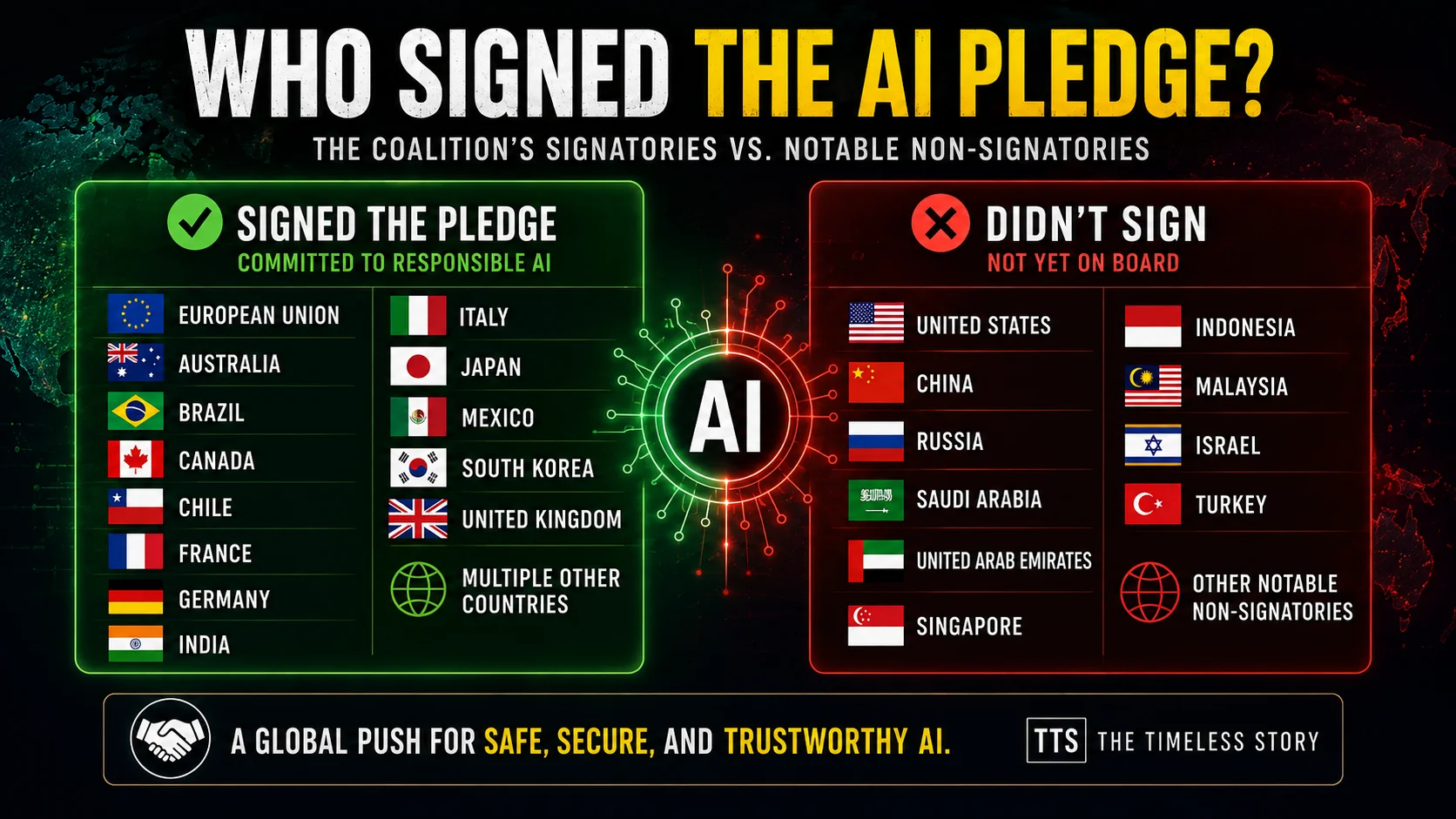
Nvidia, Microsoft, Meta and other major tech companies signed a letter warning against "premature restrictions" on open-weight AI models — a direct pushback against reported discussions inside the Trump administration about limiting access to Chinese-developed AI models in the U.S.
Why You Should Care
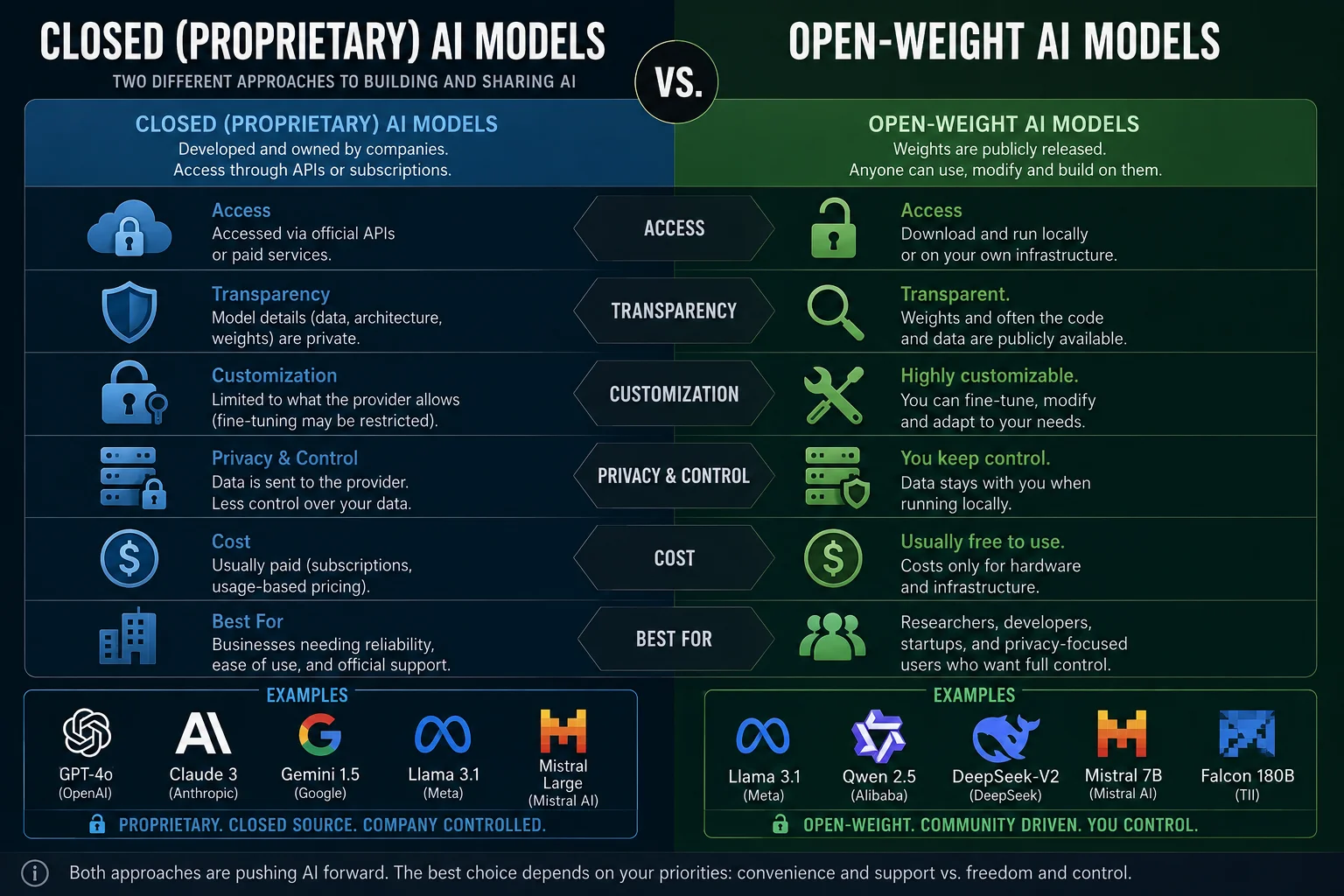
This fight is playing out one step removed from most people's daily lives, but the outcome shapes which AI tools end up cheaper, more available, and more customizable for the businesses and developers actually building the products you'll use. "Open-weight" models — ones whose underlying code is publicly available rather than locked behind a paid API — have become a genuine competitive front, and China's models are currently leading in that specific category, which is exactly what's making Washington nervous.
Complex to Simple
Open-weight AI models are a bit like open-source recipes versus a restaurant's secret sauce. A locked, proprietary AI model is the secret sauce — you can buy the finished dish, but you can't see or tweak the recipe. An open-weight model is more like a published recipe anyone can download, modify, and build their own version of. China has been publishing some of the most capable "recipes" lately, and Washington is debating whether to ban American developers from using those Chinese recipes at all, even though doing so might just mean losing out on best-in-class free tools rather than actually slowing China down.
What Both Sides Are Saying
The signatory companies argue that restricting access to Chinese open-weight models wouldn't stop China's AI progress — it would just cut off American developers and researchers from freely available tools, weakening the very "American blind spot" some commentators say already exists in open-weight AI. Notably, OpenAI and Anthropic did not sign the letter; OpenAI's president said the company supports broad access but hasn't been involved in direct conversations with the administration on the issue, leaving open the question of where the industry's other major players actually stand.
What's Next
Watch whether this pushback influences the administration's approach in the coming weeks — with the Section 338 tariffs and the humanoid robot ban both signaling Washington's appetite for restricting Chinese tech more broadly, this letter is a test of how much sway the industry still holds over that direction on AI specifically.
Recommended for you
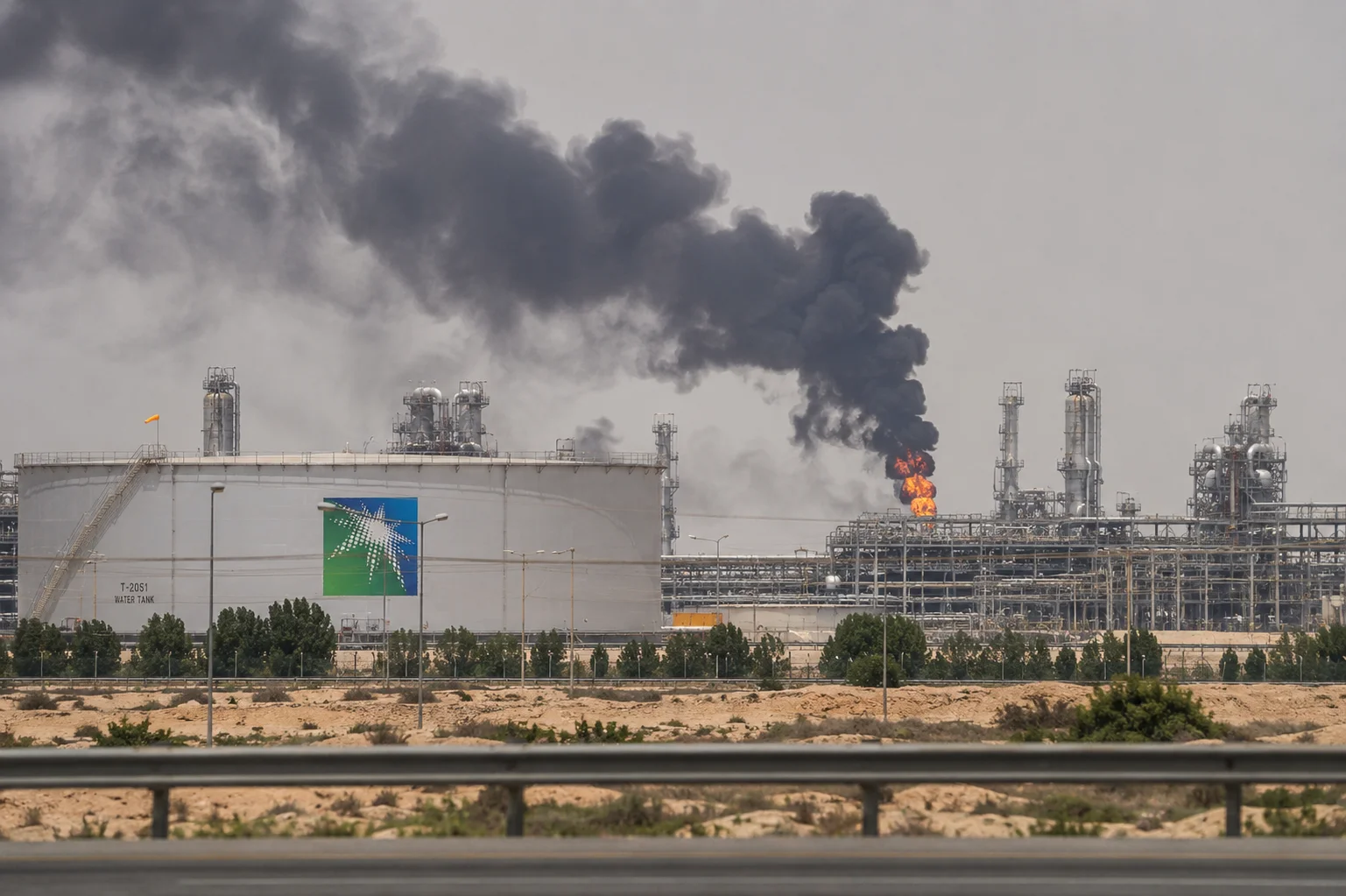
Yemen's Houthis Just Opened a Second Front in the Middle East's Oil War
Houthi rebels struck Saudi Aramco oil facilities in Jazan and Yanbu, widening the Middle East conflict as fears grow over global oil shipping.

Daniel Brooks
August 9, 2026

All of Summerland, B.C. Just Got Told to Leave
Summerland, B.C. under full evacuation order due to fast-moving wildfire
The Timeless Story Editorial Desk
August 8, 2026
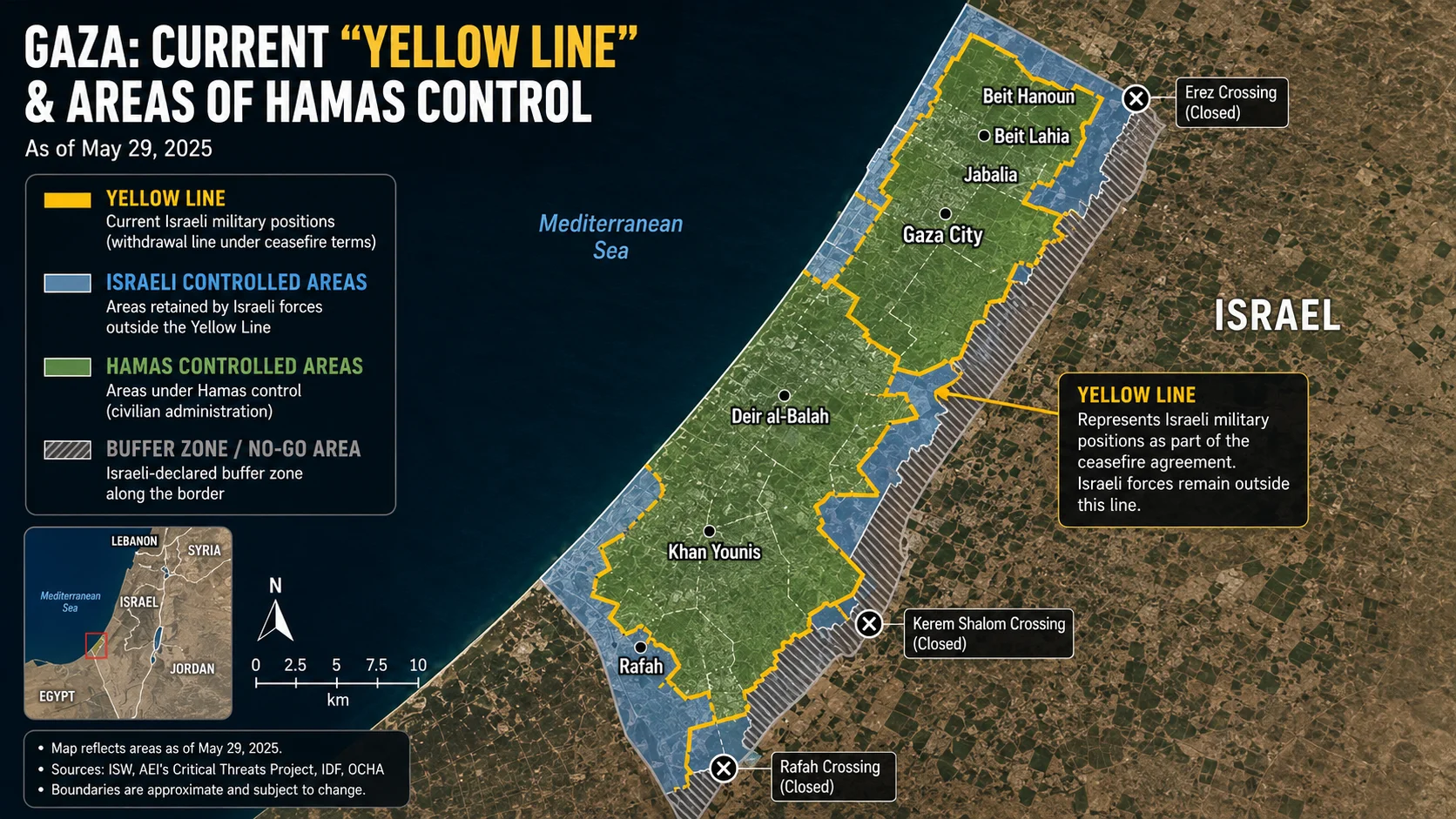
Hamas Agrees to Disarm in Gaza — Israel Hasn't Signed Off
Hamas agreed to a disarmament roadmap for Gaza under a U.S.-brokered plan. Israel hasn't signed on, and the ceasefire's death toll keeps climbing.
The Timeless Story Editorial Desk
August 4, 2026
Reactions
Loading reactions…
Comments (0)
No comments yet. Be the first to share your thoughts.