
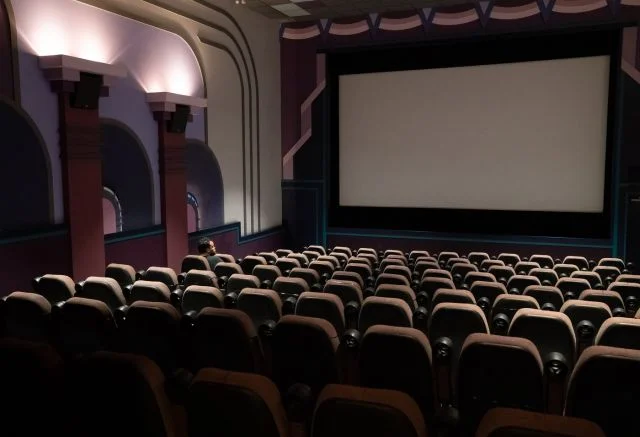
An organization representing independent cinemas across Canada is calling on major studios to eliminate a common industry practice that it argues prevents small theatre operators from programming more domestic movies. The Network of Independent Canadian Exhibitors (NICE), whose membership includes 140 independent film exhibitors nationwide, says it is time to rethink what it refers to as 'full-show commitments.'
According to NICE, full-show commitments occur when studios insist that cinemas use every time-slot on a single screen to show one specific film for a designated period, in some instances lasting as long as four weeks. While this requirement poses little issue for larger multi-screen operations, independent cinemas frequently operate with only a single screen. The practice is most commonly utilized by studios behind high-profile blockbusters, restricting the ability of small-town operators to feature alternative programming.
A report released by NICE examined the barriers independent theatres face when attempting to screen Canadian films and explored potential solutions. As part of its research, the report surveyed 16 Ontario cinemas regarding how frequently they encountered full-show commitments. The findings revealed that the practice ranked among the top three reasons cited for why Canadian films were not programmed.
Between February 6 and March 26, the surveyed cinemas decided against booking a Canadian film in 185 separate instances. Full-show commitments were cited as a contributing factor in 44 of those decisions, accounting for approximately 23.8 per cent of the cases. Furthermore, the study noted that a cinema operating without full-show commitments booked Canadian titles at four times the rate of a theatre functioning mostly under them.
Despite the focus on studio practices, the report indicated that full-show commitments were not the primary reason independent cinemas avoided programming domestic films. The two most common justifications provided were a perception that other films possessed greater audience appeal, or that the cinema programmers simply had not heard of the particular Canadian movie. Audience appeal was cited in 41.6 per cent of unprogrammed instances, while a lack of awareness regarding specific titles accounted for 34.6 per cent of cases.
In analyzing performance data among the 16 participating cinemas, top-performing titles included the historical drama Hamnet, the animated science fiction comedy Hoppers, and a collection of Oscar-nominated short films. The highest-ranking Canadian entry was Nirvanna the Band the Show the Movie, a satire led by Matt Johnson and Jay McCarrol about a fictional band attempting to book a gig at a Toronto performance venue. That film grossed $60,207 across the studied locations.
NICE's report also highlights the broader economic impact on domestic productions, stating that independent cinemas accounted for approximately 60 per cent of the total box office revenue for Canadian films in 2025. The organization warns that when local theatres are unable to screen domestic projects, the overall revenue potential for those films diminishes significantly.
Additional data underscores the challenging landscape for domestic cinema. Telefilm Canada reported in February that domestic films generated $13.9 million in box office revenue in 2025, marking a decrease of more than 40 per cent from $23.5 million in 2024. The Crown corporation also found that domestic films captured 1.7 per cent of the country's total box office revenue last year, down from 2.8 per cent in the previous year.
Industry representatives emphasize that smaller distributors often contend with minimal or nonexistent marketing budgets, frequently failing to promote their movies far enough in advance to give theatres adequate time for scheduling. NICE continues to advocate for greater flexibility and strategic early awareness campaigns to help independent exhibitors connect local audiences to Canadian cinema.